Join the HIVE - W3 Bee-Long together
Social Engagement Transitioning Day Program
Making belonging possible for every ability!
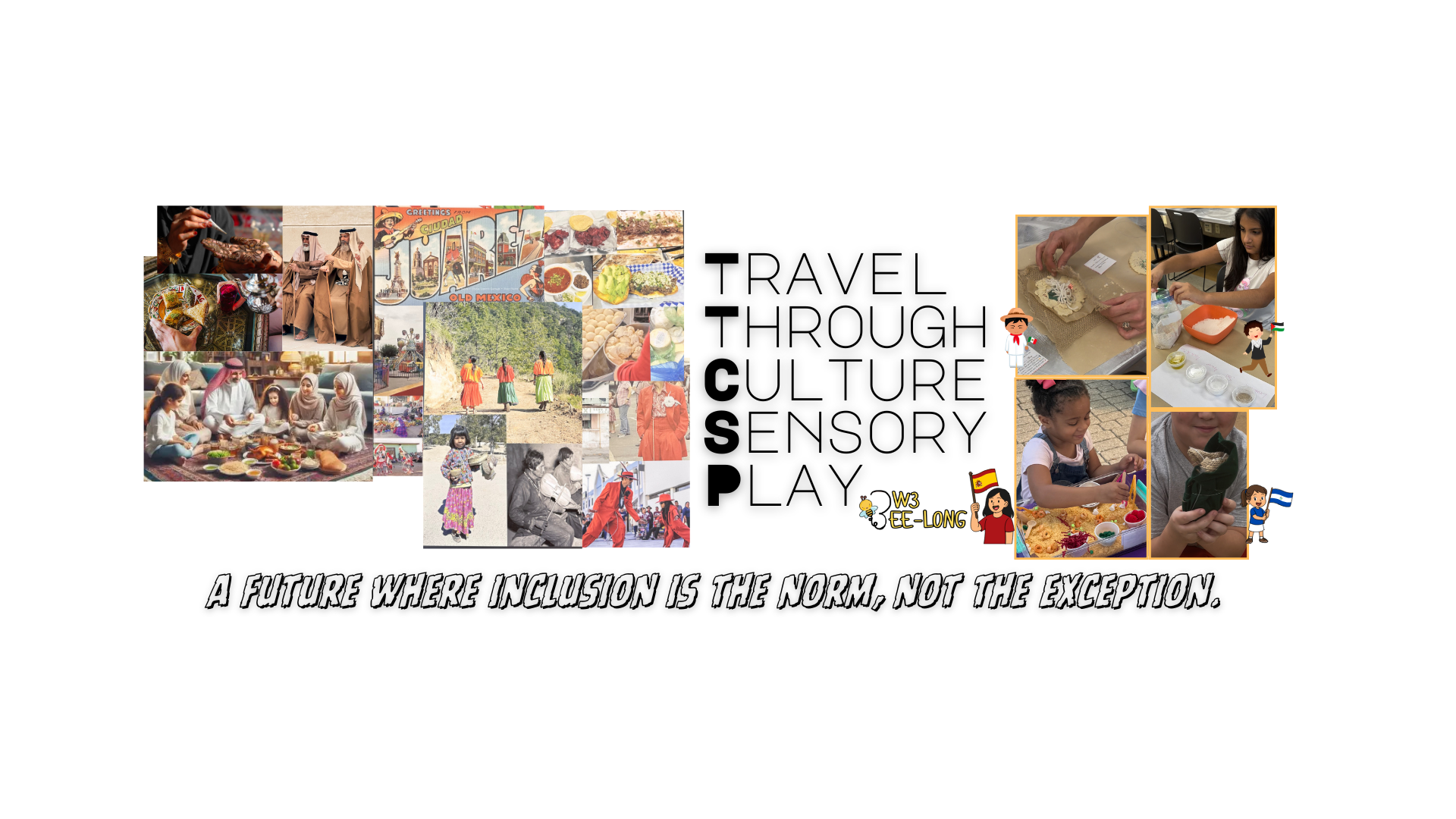
At W3 Bee-Long, we use multicultural exploration to help build friendships, create meaningful connections,
and bring a little bit of the world to those who may never have the opportunity to travel.
Hi, I’m Iveth

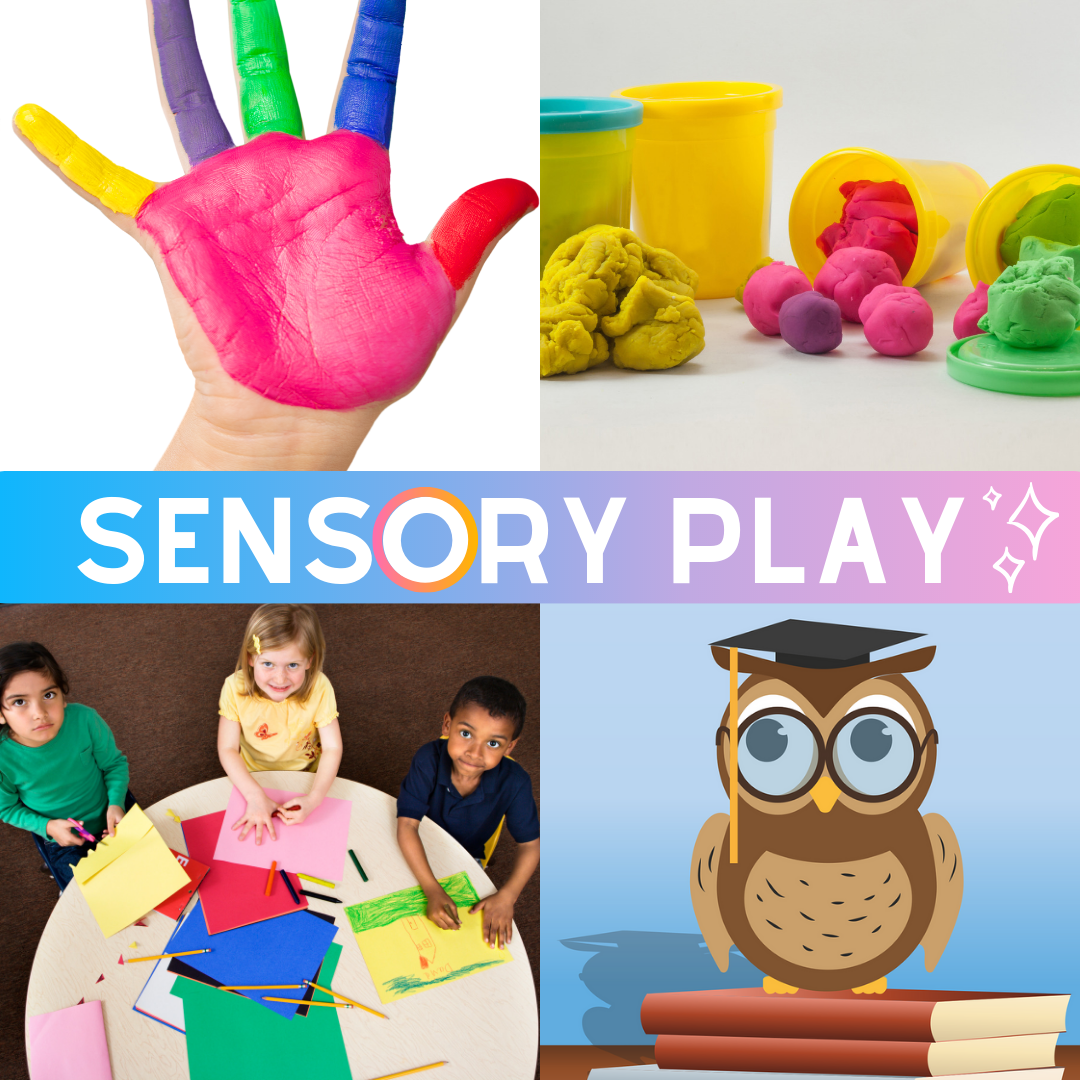
My unique style of Social Engagement is rooted in play, connection, and sensory exploration. I use hands-on games, movement-based activities, and visual tools to help participants want to discover the world around them.
Language becomes a bridge—not just to words, but to belonging, confidence, and joyful interaction. Through movement, laughter, and culturally rich play, we create an environment where participants can express themselves and build lasting friendships.
**OUR VISION**
A place where our Neurodiverse children and adults are recognized for their abilities and fully included in community life—regardless of culture, background, or ability.

DANCE
© 2025 W3 Bee-Long. All rights reserved
A Community for all Abilities
W3 Bee-Long is a registered 501(c)(3) nonprofit
FAQs
-
It is possible to learn several languages at once, which can enhance cognitive abilities, broaden employment prospects, enrich travel experiences, increase cultural understanding, and contribute to personal growth.
-
Learning different languages exposes you to diverse cultures, traditions, and perspectives.
-
Bilingualism offers great advantages!
It is important to not make them feel as if speaking multiple languages is a disadvantage. On the contrary, BECOME THEIR SOURCE OF ENCOURAGMENT!
-
✨ The 3 in W3 Bee-Long is more than a number—it symbolizes wholeness, completeness, and universality: a beginning, a middle, and an end.
It’s a nod to where autism has been, where we are now, and where we’re going—toward a future where inclusion is the norm, and we all truly belong.
-
Evidence that Disproves Myth & Shows Benefits
Many people believe that children with developmental disorders like DLD/SLI, autism, or Down syndrome should not learn two languages. They think bilingualism will make learning harder. But several studies have found that bilingual children with developmental disorder do just as well as monolingual children with the same conditions.
Children with DLD: Paradis et al. (2003)
Bilingual children aged 7 to 7.6 years old who were diagnosed with DLD, previously referred to Specific Language Impairment (SLI) compared these children’s grammatical development specifically their morphosyntactic skills (such as verb endings, word order, and sentence structure) to that of monolingual children with DLD. The results showed that bilingual children had the same kinds of grammar difficulties as monolingual children.
Their strengths and weaknesses in language were very similar, and being bilingual did not make their condition worse.
Paradis & Sorenson (2009)
The study examined children with DLD who were learning French as a second language. These children were compared to monolingual children with DLD who were also learning French. The researchers found that even though they were learning French as a new language and had a language disorder, the bilingual children did not fall further behind. This suggests that dual language learning does not add extra difficulty for children with DLD, and that acquiring a second language is not harmful, even when a language disorder is present.
Children with Autism or Down Syndrome: Papadopoulos et al. (2024)
In this article, the Papadopoulus and colleagues (2024) conducted a scoping review of several small-scale studies carried out in Greece that looked at bilingual children with autism spectrum disorder (ASD). The goal was to understand whether being exposed to two languages had a negative or positive impact on their language development.
Out of the four studies reviewed, three found that bilingual children who were on the autism spectrum showed no disadvantages in their language development when compared to monolingual autistic children. These bilingual children did not fall behind in vocabulary (the number of words they understood or used), grammar (such as forming correct sentences), receptive language (understanding what others say), or expressive language (how well they could speak or express themselves).
-
Evidence that Disproves Myth & Shows Benefits
Pena et al. (2023) found strong evidence that bilingualism itself is not a cause of language delay or disorder. In their study, they tested bilingual children (Spanish- English) with and without Developmental Language Disorder (DLD) using language tasks in both languages.
They used “best score” approach, which means they looked at how well a child did in either language not just in English or Spanish. This approach gave a more complete and fairer picture of the child’s language abilities. When using this method, bilingual children with typical language skills were not mistakenly identified as having a disorder. Likewise, bilingual children with DLD were correctly identified.
Bilingualism does not cause language delays. What matters is using proper tools to assess both languages. When this is done, bilingual children are not at greater risk for misdiagnosis.